

Last month, I watched psychological thriller Blink Twice which tells the story of the strange happenings on a billionaire’s private island. I have thoughts, and where better to put them than here. Beware of the spoilers below if you haven’t watched it yet and plan to, I have written for an audience that has watched the film.
Firstly, I’m very impressed with Zoe Kravitz’ directorial debut and her choices in cinematography. The film is peppered with beautiful shots of the island, flooding the screen with rich and vibrant colours. This makes not only for pleasing aesthetics but perhaps was also a conscious choice to contrast the beauty of the environment with the horrors that are later revealed to occur within it. On colour psychology, I noticed the decision to dress all the women (read: victims) in white. They are our metaphorical lambs being prepared for slaughter.

I wondered if the use of wide angled shots was intentional as there’s only so much the eye can take in with this wide frame, so it is possible and likely to miss certain details…just as the ladies in the film initially did. The wide angles can represent not only the vastness of the issue of rape culture but it makes the characters in frame miniscule and helpless. On the island, they are literally on a drop in the ocean, who would hear their cries for help? It really flipped the concept of a luxury isolated vacation spot to one of terror where the isolation becomes a weapon and aid to the assaults. The island is basically a deluxe prison. On the prison allegory, we see one of the victims, Heather, staring intently at the caged chickens on the island, and in this scene, she reconciles with the fact that the women on the island are similarly trapped for consumption.

The footage of the women running being flipped once the truth was revealed was a great tool for conveying how narrative really controls perspective. What was initially portrayed as women having fun, running wild and free was actually frightened women running for their freedom. Powerful stuff.
One of the main themes in this film is abuse of power. This is shown in multiple ways, one being the handing over of the phones ‘voluntarily’, another being the obscurity about when they would be leaving the island (because don’t these ladies have lives to return to?). By giving the ladies the illusion of choice and trying to play off suspicious activity as non-threatening, Slater King (played by Channing Tatum) wields his power as celebrity to lure his victims in and creates a false sense of security. The obvious power dynamic grows more uneasy and we as the viewers question how much choice these ladies actually have. We are in the dark with them until the devastating reveal.

Another key theme in this film is the prevalence of rape culture. The opening with Slater King apologising for an undisclosed offence, to me was symbolic of the emptiness and generic nature of the apology and apologies of this kind. It is insincere. This goes hand in hand with unrepentant attitudes shown by those who uphold rape culture – even the flashback scenes of the assaults are uncaringly thrown at the audience with the same disregard these men hold for the women. The Guy Who Did Nothing was an important identification for the film to make. It was a direct call out to self-proclaimed ‘good guys’ who absolve themselves of guilt for not participating in the crimes but doing nothing to stop any of it. And that is how they should be remembered.
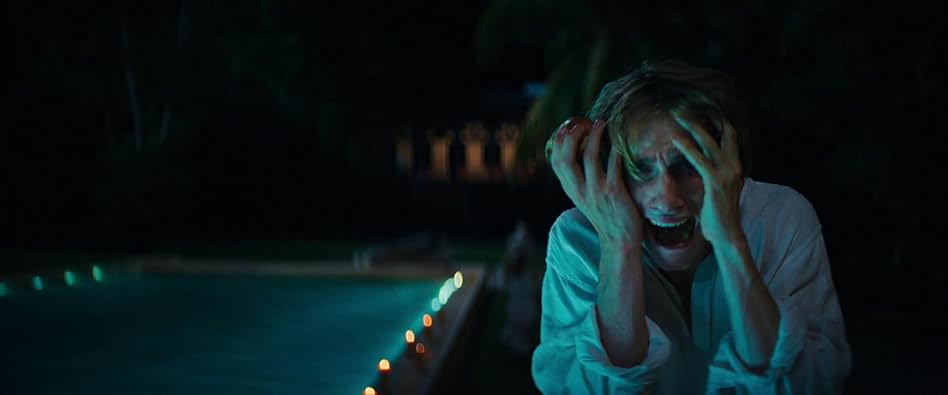
My main takeaway from this film was how much our memory shapes who we are. When Jess asks ‘did we just jet off to a billionaire’s island with a bunch of strangers’ to which Frida replies ‘he’s not a stranger, he’s Slater King’, the story foreshadows that King was indeed not a stranger to Frida as she had been there before, unbeknownst to her. I initially disagreed with the ending where Frida marries her rapist because, where is the punishment in that for him?? But then ultimately, I realised she took his autonomy in a way that is parallel to how he took hers, and also ensured he couldn’t repeat his crimes again with any more victims (although a fiery death would’ve ensured that too).
Channing Tatum’s casting in this role sends the message that we can’t put this behaviour past anybody. Predators don’t look one way and can be charming heartthrobs too. In fact, the more charming, the more you get away with it. His “I’m sorry” scene in the third act where he repeated the words until they descended into nothingness made me give Tatum his acting chops. For an actor known for comedic and romantic roles, this film realised his talent in portraying darker, more complex characters with a serious tone. Honourable mention goes to Naomi Ackie, who played Frida, and is someone who seems very at home in the thriller genre. She really brought fear to life with her extremely expressive eyes.
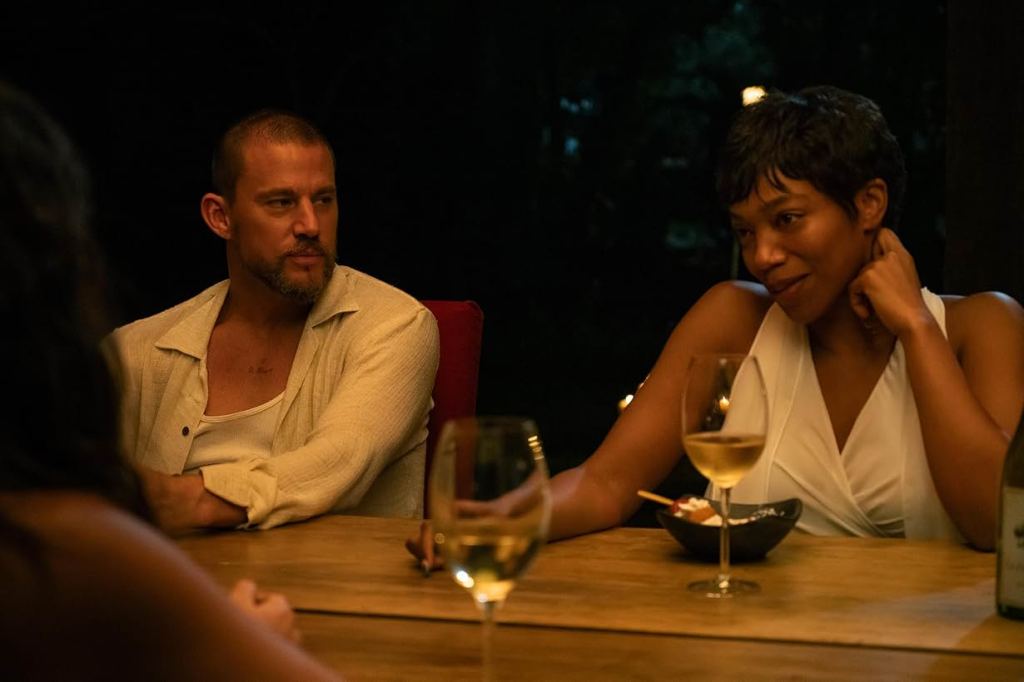
The film has a great runtime of 1 hour 42 minutes. I’m not one for scary films but Kravitz does a really good job maintaining tension, just teetering the line of discomfort before the resolve. Sadly, the horrific concept of this film is all too real, time and time again powerful men do as they please and there are enough enablers to allow the abuses to continue. If anything, this film is a loud protest to that culture.
4 stars from me, I love a film with a message.

 Roxanne Reviews