
Spoilers ahead!
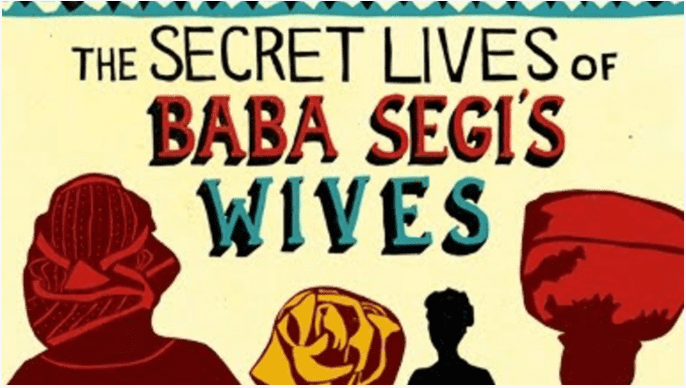
Back in the Arcola Theatre by popular demand, I couldn’t miss this opportunity to watch The Secret Lives of Baba Segi’s Wives last week. This play directed by Femi Elufowoju Jr based on the book of the same name by Lola Shoneyin was adapted for the stage by Rotimi Babatunde.

Performance
Performed in the round, with the audience surrounding the stage, this stage setting has a very effective way of physically bringing us into the story. This is heightened by the cast’s fantastic engagement with the audience by breaking the fourth wall a number of times. The production birthed an acoustic band via the cast where the only music consisted of a capella voices, flute, drums and African kalimba. The stripped back music added to the intimate feel of the stage setting and helped to transport us to Nigeria where the story was set.
I wanted to take a moment to big up the cast, two of which were fellow Sierra Leoneans. Patrice Naiambana who played the titular role of Baba Segi and Usifu Jalloh aka The Cowfoot Prince (if you know, you know), lent their acting chops and musical talents to this production, and it did not go unnoticed.
Patriarchy, power and fertility
Funny as the premise of paternity fraud in this story may be to an unsuspecting audience, I felt it was important to consider why the wives of Baba Segi felt the need to deceive him about his fertility. Nothing quite captures this specific element of patriarchy than the Khaled Hosseini quote, ‘like a compass needle that points north, a man’s accusing finger will always find a woman’. We saw Baba Segi protest at the idea of needing examination, saying that it is women who bear children, leaving him blameless in the reproductive process. The ‘b’ word, ‘barren’, is thrown as an insult only intended to wound women, and it is a wounding we are expected to accept. No such wounding of a man’s ego is tolerable though, hence why Baba Segi’s first three wives found it easier to catch belle outside, than to inform their husband of his sterility.
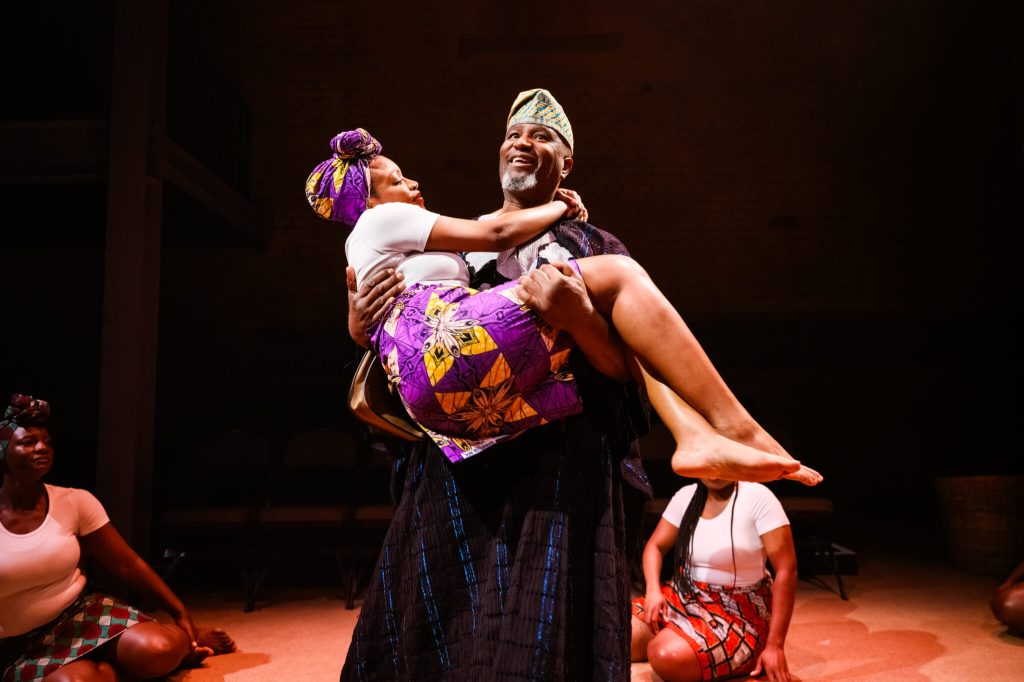
The story exposes patriarchy as a performance, with everybody from the butcher to the driver to the wives playing their roles to keep Baba Segi’s ego/manhood intact. I was reminded of the fable, The Emperor’s New Clothes, where the emperor’s sycophants are obliged to uphold his delusions by pretending to see what is clearly not there. Similarly, the play’s script repeats the Nigerian proverb of “men are like yam, you cut them how you like”. This saying suggests that not only are men susceptible to being shaped according to the will of those around them, but that the inflated importance of the male ego caused by patriarchal norms actually primes them for this manipulation.
Anti-intellectualism
Fear of Bolanle’s educatedness was ultimately the undoing of the first three wives. I’m certain they feared Bolanle would expose their deceit to their husband. But, instead of including her in the ruse, they chose to ostracise and even went as far as attempting to kill her. Anti-intellectualism caused them to mock Bolanle’s unsuccessful attempts at pregnancy, using the existence of their own children to position themselves as superior to her. Where they lacked in formal education, they ‘outranked’ her in performing femininity, i.e. bringing forth life. If the wives had spent as much effort into forming an alliance with Bolanle as they did at plotting her demise, perhaps the story would have turned out differently. But I think their resistance was important to include in the story, since it was realistic. Education aside, no senior wife wants to be taking advice from her junior wife. In fact being a senior wife is really the only position of authority these women were able to assume. Bolanle’s education diminished the senior wives’ ability to ‘small girl’ her; and they felt that she wielded a certain power over them that she had not earned through suffering as they did. I thought the poisoning plot exemplified the dangers of anti-intellectualism and how it inevitably leads to regression.
Spirituality and religion
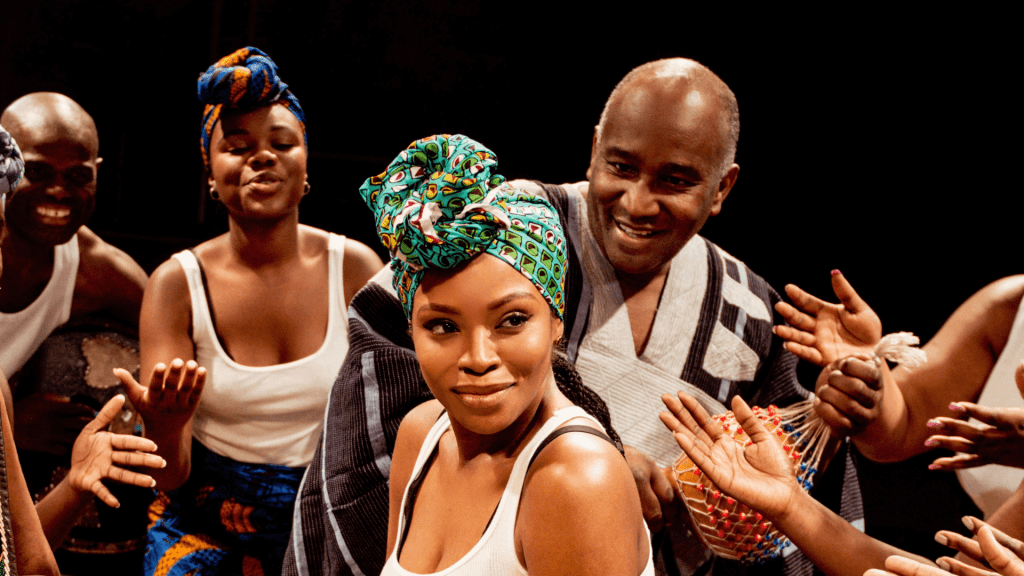
I saw a Tiktok that said “no church has ever held prayer session for low sperm count, always barren women”. This highlighted to me religion’s complicity in upholding patriarchal norms. Where patriarchy is the production, religion is the script that reminds women of their lines and stage direction. How much easier is it to subjugate a person when the people of their faith insist that God destined them for subjugation. It’s no wonder that Iya Femi, Baba Segi’s third wife, clung to Christianity as a vessel of power in a world that left her feeling powerless. What I found intriguing though, were Iya Femi’s prayers, which were in reality, veiled curses upon Bolanle. She exclaimed that God would conquer her enemies to justify her more heinous actions, ignoring the irony of willing God to cause harm.
It’s interesting that her ‘punishment’ in the end is to forbid her from attending church, almost a tacit acknowledgement that the church is aiding in her misdeeds. This choice from Baba Segi illuminates the dichotomy between the story’s portrayal of Christianity and African spirituality. Every reference to God from Baba Segi is plural, and throughout the play he evokes various Yoruba orishas by name. I liked the inclusion of the Yoruba religion in the story, not as an adversary to Christianity, but co-existing in parallel, without one necessarily triumphing over the other.

Roxanne Rates
Overall, this production was thoroughly enjoyable and has made me want to read the book. The only room for improvement lies not with the cast or production itself but the logistics of Arcola Theatre. A lot of audience members struggled to find their seat due to poorly labelled chairs and rows. I would recommend either relabelling the seats clearly or having attendants on the floor of the theatre to guide patrons to their seats. The Secret Lives of Baba Segi’s Wives gets 4 and a half stars from me.

 Roxanne Reviews